Why Does Ozdikenosis Kill You? Understanding the Dangers of This Rare Disease
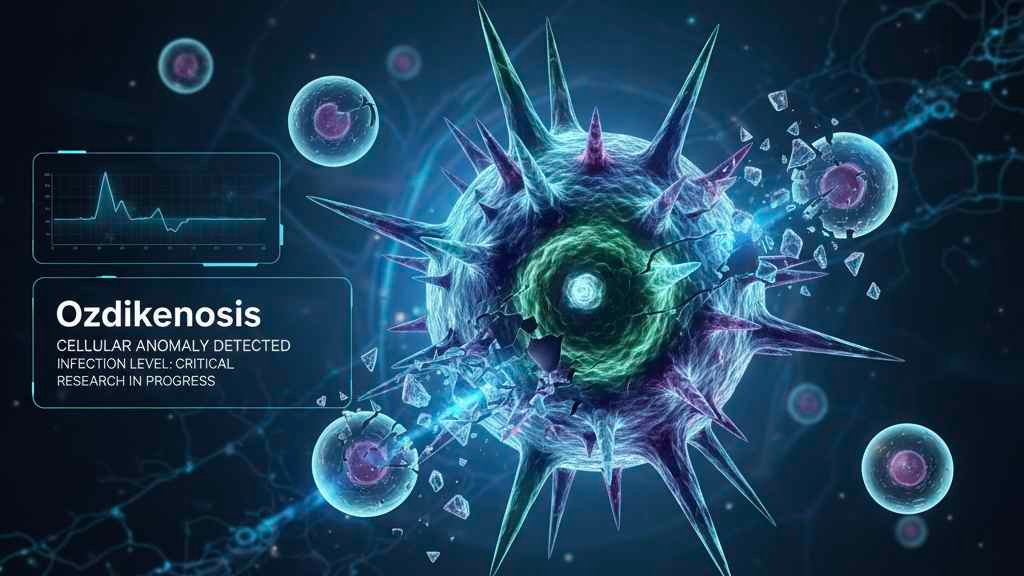
Ozdikenosis is an extremely rare and poorly understood condition, but its potentially fatal nature has raised alarm among medical professionals and researchers. If you’ve ever wondered why does ozdikenosis kill you, you’re not alone. This mysterious illness affects the body in complex ways, often leading to severe complications that can ultimately result in death. While it remains under-studied due to its rarity, emerging research sheds light on its symptoms, causes, and long-term effects.
In this article, we’ll explore ozdikenosis in-depth—from its clinical presentation to the reasons it can become life-threatening. Whether you’re a medical student, healthcare worker, or simply curious, this guide provides key insights into this rare but dangerous condition.
What Is Ozdikenosis?
Ozdikenosis is a degenerative, multisystem disorder that attacks various organs, particularly the nervous and immune systems. Patients often begin showing signs in early adulthood, but some cases are diagnosed in childhood or later in life.
The disease appears to be autoimmune in nature, meaning the body mistakenly attacks its own tissues. This leads to progressive damage, particularly in the brain, spinal cord, and other vital organs. Though it’s not yet fully classified, ozdikenosis shares similarities with multiple sclerosis, lupus, and amyloidosis—yet remains distinct in its rapid progression and severity.
Symptoms of Ozdikenosis
Common symptoms include:
- Chronic fatigue
- Neurological dysfunction
- Muscle weakness
- Memory loss
- Irregular heartbeat
- Inflammation and fever
Because these symptoms overlap with more common diseases, ozdikenosis is often misdiagnosed in its early stages.
How Does Ozdikenosis Affect the Body?
Understanding why ozdikenosis is fatal requires a closer look at how it affects various bodily systems. Over time, the disease causes inflammation in tissues, which leads to scarring, organ failure, and breakdown of critical bodily functions.
Neurological Impacts
Ozdikenosis severely impacts the central nervous system. Patients may experience seizures, vision problems, and progressive loss of motor control. As the disease advances, the brain’s communication with the body begins to fail, often resulting in paralysis or coma.
The neurodegeneration associated with ozdikenosis is similar to diseases like ALS and Parkinson’s but progresses more rapidly and aggressively.
Why Does Ozdikenosis Kill You?
So, why does ozdikenosis kill you? The answer lies in how the disease spreads through the body and gradually shuts down vital systems. Most fatalities result from organ failure, respiratory complications, or severe infection due to a weakened immune response.
There is currently no cure for ozdikenosis, and treatments are limited to symptom management. As the disease advances, patients often require round-the-clock care and life support.
Another reason ozdikenosis is so deadly is the speed of progression. In some cases, patients go from early symptoms to full system shutdown within months. This gives doctors very little time to intervene or slow the process.
Diagnosis and Challenges in Treatment
Because ozdikenosis is so rare, it’s often misdiagnosed or missed entirely. Medical imaging, blood tests, and genetic screening are often inconclusive. A definitive diagnosis usually requires a biopsy and analysis of tissue samples.
Treatment Options
There is no standard treatment protocol for ozdikenosis, but current approaches include:
- Immunosuppressants to slow immune system attacks
- Anti-inflammatory medications
- Neurological therapy
- Nutritional and physical support
Some experimental treatments have shown promise, including stem cell therapy and gene editing, but these are still in early trial stages.
Is There Hope for Ozdikenosis Patients?
While the outlook remains grim for many patients, advancements in rare disease research are offering hope. Global registries, increased awareness, and clinical trials are beginning to shine a light on ozdikenosis and its devastating effects.
Doctors and scientists are collaborating across countries to understand the genetic and environmental triggers that lead to this illness. As more data becomes available, it’s hoped that targeted treatments—and possibly a cure—will emerge.
Despite the bleak statistics, early detection and personalized care can improve quality of life for many patients. While ozdikenosis remains a deadly condition, ongoing research is providing valuable insights that may one day change the outcome.
FAQ’sAbout Ozdikenosis
Q1: Is ozdikenosis contagious?
No, ozdikenosis is not contagious. It is believed to be caused by genetic mutations or autoimmune triggers, not by viruses or bacteria.
Q2: How common is ozdikenosis?
Extremely rare. Fewer than 100 documented cases exist globally, which makes research and awareness challenging.
Q3: What age group does it affect most?
While it can affect any age group, symptoms usually appear between the ages of 20 and 40.
Q4: Can ozdikenosis be cured?
There is no known cure as of now, but ongoing clinical trials offer hope for future treatment options.
Q5: How quickly does ozdikenosis progress?
Progression varies, but in many cases, it advances rapidly over a few months to a few years.
Conclusion
To fully grasp why does ozdikenosis kill you, we must recognize its aggressive nature and complex impact on the human body. From immune system breakdown to neurological decline, ozdikenosis is a silent killer that often goes undetected until it’s too late. With no cure currently available, awareness, early diagnosis, and advanced research are crucial in changing the trajectory of this rare disease.
As science continues to evolve, so too does our understanding of illnesses like ozdikenosis. For now, the best defense is education, proactive health care, and support for those affected. Stay informed—and be part of the growing voice calling for more research into the world’s rarest and deadliest diseases.