The Viral Sensation of johnoliverwantsyourratrotica: What It Is and Why Everyone’s Talking About It
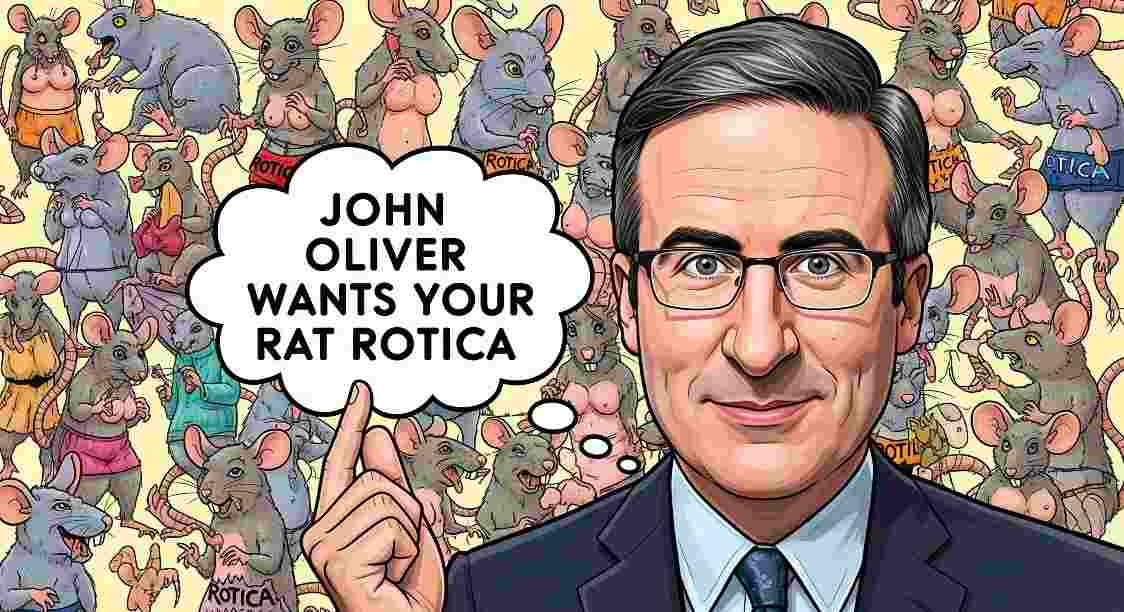
In the world of internet oddities, few things have captured the public’s attention quite like johnoliverwantsyourratrotica. A strange yet hilarious call-to-action made famous by comedian and TV host John Oliver, the phrase has sparked a tidal wave of creativity, curiosity, and, yes—rat-themed erotica. But what started as a comedic bit has grown into something much more: a cultural moment defined by fan engagement, absurdity, and a surprisingly wholesome kind of weirdness.
So, what exactly is johnoliverwantsyourratrotica, and why has it taken the internet by storm? Let’s break it all down.
Where Did johnoliverwantsyourratrotica Come From?
The phrase originated from an episode of Last Week Tonight with John Oliver, where the host made an unexpected and hilarious request for viewers to submit rat erotica. While it may sound absurd on the surface, the segment was crafted as part of a larger comedic commentary—something John Oliver is known for. The ask wasn’t just random humor; it was tied to a broader storyline involving public libraries and censorship.
Naturally, the internet did what it does best: it responded with memes, fan art, short stories, and full-blown illustrated novellas—all centered around romantic or bizarre depictions of rats.
The Role of Satire and Comedy
The genius behind the request wasn’t just in its absurdity, but in its layered satire. By asking for rat-themed erotica, Oliver highlighted issues like book banning, freedom of expression, and how far people are willing to go to make a point. The phrase johnoliverwantsyourratrotica quickly became more than a joke—it turned into a form of protest art and internet performance.
How the Internet Responded to the Call
As soon as the episode aired, artists, writers, and fans across social media platforms like Reddit, Twitter (now X), and TikTok began generating a massive wave of creative submissions. The hashtag #ratrotica started trending, and platforms like Tumblr saw a revival of the kind of quirky, fandom-fueled creativity that defined its early years.
From watercolor paintings of rats in Victorian gowns to steamy short stories involving anthropomorphic rodents, submissions poured in from every corner of the internet.
Notable Contributions
Some particularly viral entries include:
- A 15-page illustrated comic titled Romeo & Rodent
- A spoken-word poem called “Whiskers of Desire”
- Plush rat dolls modeled after classic romance archetypes
All of this made johnoliverwantsyourratrotica a rare blend of fandom enthusiasm and political commentary.
What Does This Say About Internet Culture?
At first glance, it may seem like johnoliverwantsyourratrotica is just another weird internet trend—but it actually says a lot about modern digital culture. The internet thrives on collaborative humor, especially when it involves a cause or deeper message. In this case, people weren’t just drawing rats for fun; they were making a point about censorship, art, and absurdity as resistance.
Humor as a Tool for Expression
Humor has always played a powerful role in protest. From political cartoons to viral memes, laughter can disarm, educate, and unite people. In the case of johnoliverwantsyourratrotica, humor was the delivery mechanism for a message that hit home for many artists and readers.
The Legacy and Ongoing Impact
Even after the initial buzz, the phrase continues to live on in various forms. Online communities have created forums and Discord servers specifically to share and critique new pieces of rat-themed art and literature. Meanwhile, educators and librarians have cited the campaign as a shining example of how art and satire can push back against cultural suppression.
Will johnoliverwantsyourratrotica Fade Away?
It’s likely that the specific trend will eventually cool down, but its impact is already cemented in internet history. Like other viral moments that sparked unexpected activism (remember the Area 51 raid?), this movement blends humor, community, and social commentary in a way that resonates long after the laughter fades.
FAQ’s
Q1: What is johnoliverwantsyourratrotica exactly?
A: It’s a viral campaign started by John Oliver where he humorously asked viewers to submit rat-themed erotica, sparking a wave of creative responses online.
Q2: Why rats?
A: The request was meant to be absurd and comedic, drawing attention to issues like censorship and freedom of expression.
Q3: Is this a real submission campaign?
A: Yes, viewers were encouraged to submit content as part of the show’s segment, and many artists and writers took the opportunity to create satirical works.
Q4: Where can I see some of the submissions?
A: Many submissions can be found on Reddit, Tumblr, and Twitter under hashtags like #ratrotica or #johnoliverwantsyourratrotica.
Q5: Is it appropriate for all ages?
A: While much of the content is comedic and satirical, some of it does include adult themes, so viewer discretion is advised.
Conclusion
The wild, weird, and wonderful saga of johnoliverwantsyourratrotica is more than just a footnote in internet culture—it’s a brilliant example of how humor, art, and satire can unite people around serious issues in delightfully unserious ways. It’s also a reminder of the internet’s unmatched ability to turn even the most bizarre ideas into meaningful social movements.
Whether you contributed your own masterpiece or just watched from the sidelines, the phenomenon proves that creativity knows no bounds—even when rats are involved.