matarecycler: A Smart Recycling Approach Shaping a Cleaner Future
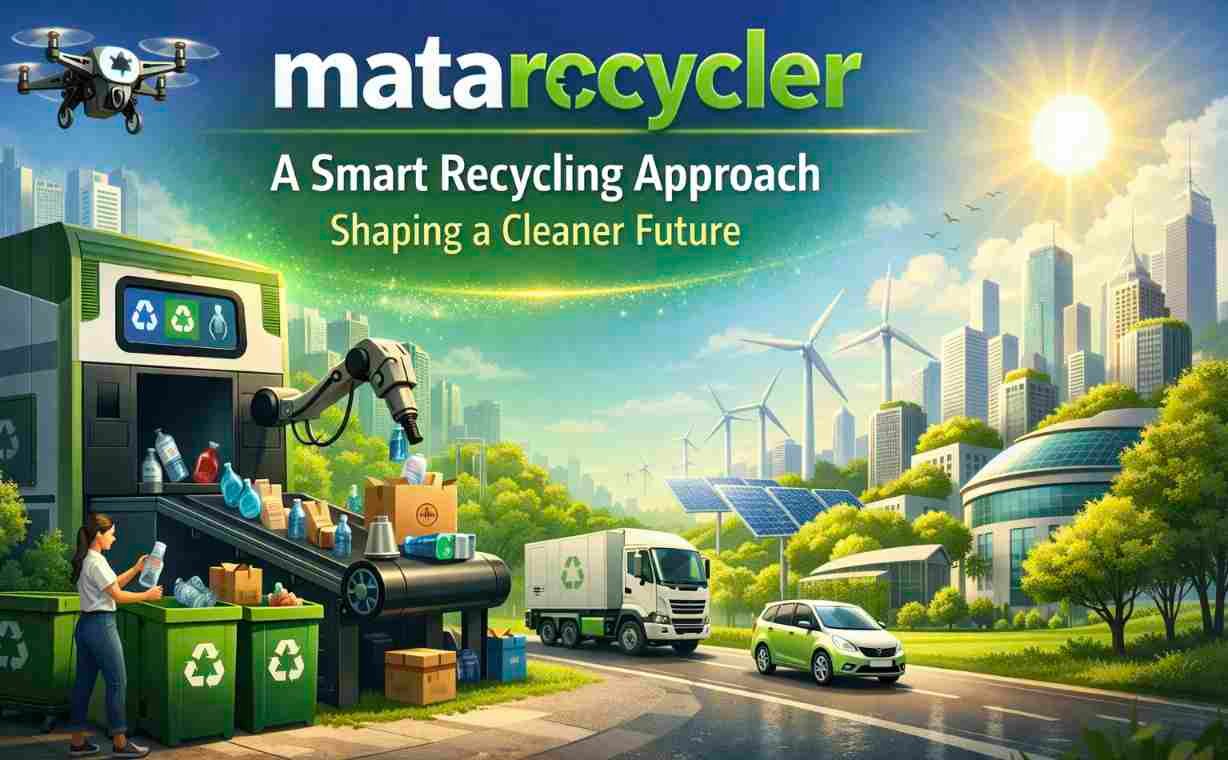
Recycling is no longer just about separating paper and plastic. In today’s fast-changing world, smart systems are transforming how waste is collected, sorted, and reused. Communities, businesses, and cities are actively looking for intelligent solutions that reduce landfill pressure while supporting sustainability goals.
This is where matarecycler stands out as a modern, forward-thinking concept. It represents a smarter recycling approach that blends technology, environmental awareness, and practical waste management strategies to build a cleaner and more sustainable future for everyone.
What Is a Smart Recycling Platform?
Smart recycling platforms use digital tools, data, and automation to improve how waste is handled. Instead of relying only on manual sorting and traditional bins, these systems apply technology to make recycling more accurate and efficient.
The idea behind innovation
At its core, matarecycler focuses on turning waste into a valuable resource. It supports the circular economy by ensuring materials such as plastics, metals, and paper are properly recovered and reused instead of being discarded.
A shift from traditional methods
Traditional recycling often suffers from contamination and low recovery rates. Smart platforms reduce these issues by guiding users, tracking waste streams, and optimizing collection processes with data-driven insights.
How Smart Recycling Technology Works
Modern recycling systems rely on a mix of hardware and software to operate smoothly. Sensors, artificial intelligence, and cloud platforms play a key role in improving performance.
AI-powered waste sorting
AI-based sorting systems can identify different materials quickly and accurately. Cameras and machine learning models help separate recyclable items, reducing human error and increasing recycling efficiency.
Data tracking and reporting
With real-time data tracking, matarecycler-style platforms provide insights into waste volumes, recycling rates, and environmental impact. This data helps organizations improve their waste strategies and meet sustainability targets.
Environmental and Economic Benefits
Smart recycling is not just good for the planet; it also makes economic sense for businesses and municipalities.
Reducing landfill waste
By improving sorting accuracy and recovery rates, matarecycler helps reduce the amount of waste sent to landfills. This lowers greenhouse gas emissions and protects natural ecosystems.
Cost savings and resource recovery
Efficient recycling reduces disposal costs and allows valuable materials to be reused. Over time, smart recycling systems can generate savings while creating new opportunities in the recycling and green technology sectors.
Real-World Use Cases and Adoption
Smart recycling solutions are being adopted across different industries and environments, proving their real-world value.
Urban and municipal recycling
Cities use smart bins and digital monitoring systems to manage waste more efficiently. matarecycler-inspired approaches help municipalities reduce overflow, improve collection routes, and increase citizen participation.
Business and industrial applications
Companies are using smart recycling platforms to track waste output, meet environmental regulations, and strengthen their sustainability image. These systems support corporate social responsibility goals while improving operational efficiency.
FAQ’s About matarecycler
What makes smart recycling different from regular recycling?
Smart recycling uses technology such as AI, sensors, and data analytics to improve accuracy, reduce contamination, and increase recycling rates.
Is smart recycling suitable for small communities?
Yes, scalable solutions allow small communities to adopt smart recycling tools without high infrastructure costs.
Can smart recycling help meet sustainability goals?
Absolutely. Data-driven insights and improved recovery rates make it easier to achieve environmental and regulatory targets.
Does smart recycling reduce costs in the long term?
While initial setup may require investment, long-term savings come from lower landfill fees and better resource recovery.
Conclusion
Smart recycling represents the future of waste management, combining technology with environmental responsibility. By improving efficiency, reducing waste, and supporting the circular economy, matarecycler-driven concepts show how innovation can lead to real-world impact. As awareness grows and adoption increases, smart recycling will continue to play a key role in building cleaner cities and a more sustainable planet.